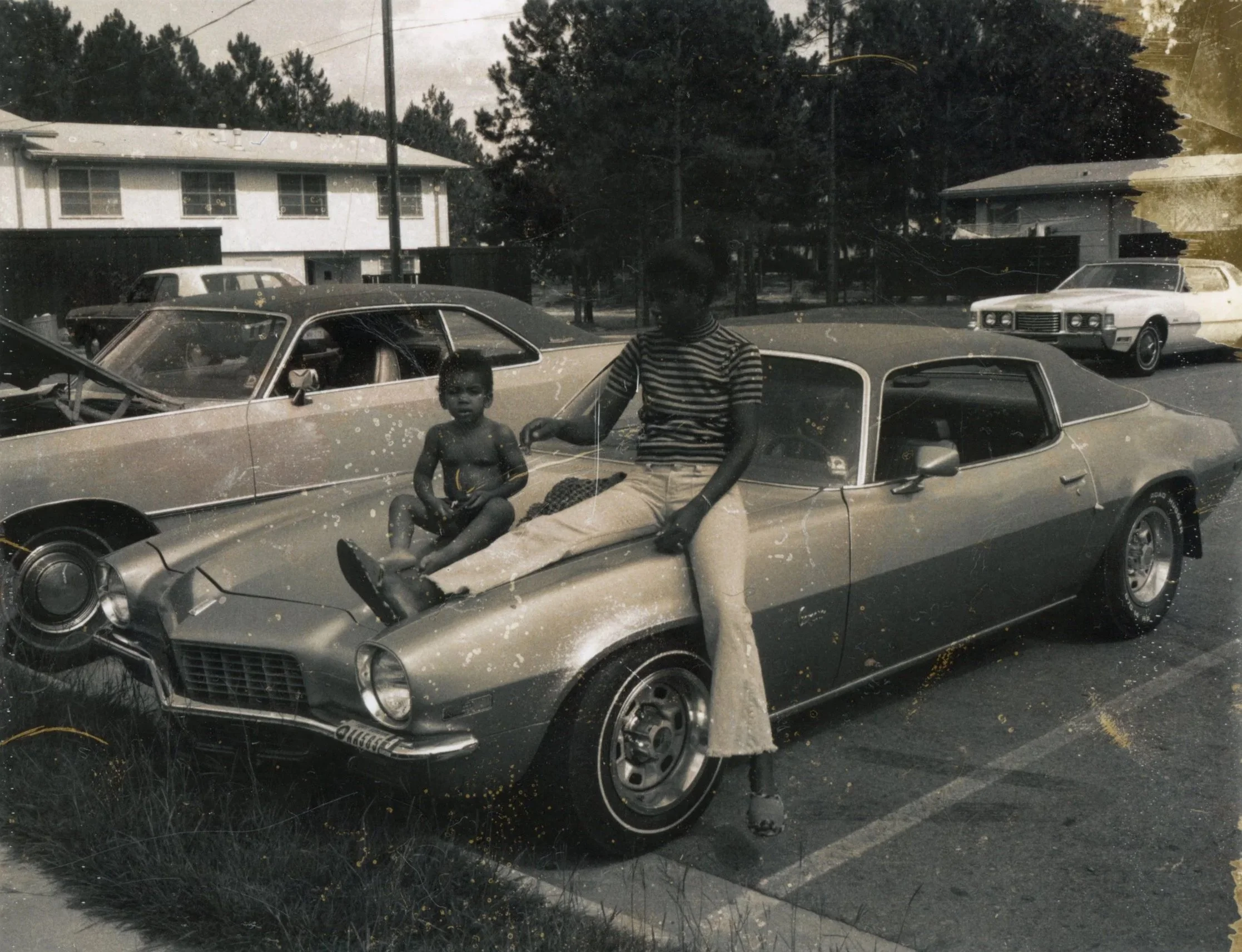
ABOUT THE CASE
Ronald Coleman Jr., known to his community as Uncle Ronnie, has been incarcerated for over 26 years for a crime he did not commit. In 2001, he and another man, Carl Coleman, were sentenced to two life sentences plus 65 years in connection to the murder of a Sam’s Club manager in Georgia. Despite the severity of the sentence, neither person was charged with murder.
ON TRIAL EVIDENCE
There is no tangible evidence linking the defendants to the murder; their convictions instead stemmed from ancillary charges such as kidnapping, burglary, and robbery— despite the absence of proof placing them at the scene of the crime. Coleman, alongside all other defendants, submitted appeals to the court on grounds of serious concerns including but not limited to: unreliable witness testimony, hidden evidence, improper juror selection, and failure to sever both offenses and legal cases. Coleman also individually appealed to a violation of his right to confront the witnesses against him. (Overton v. State [2008]).
Additionally, a star witness in Ronald Coleman’s case has fully recanted his statements, admitting he told the FBI “what they wanted to hear so that they would quit ‘harassing’ him”, and would later invoke religious faith under the claim “that he had simply “made up” the [statements regarding the case]”. His own attorney documented this recantation under suspicion of coercion of his client in a 5-page memo file. This document was barred for use in court. During the initial release of Uncle Ronnie’s Room, the attorney personally reached out to our team.
Despite all of this, Ronnie’s conviction still stands.
ON THE CURRENT SITUATION
Ronald acknowledges and takes full accountability for the past harms that led to earlier, unrelated convictions for which he has already served time. However, this case represents a profound miscarriage of justice: one that has taken more than two decades of his life without substantiated evidence of his involvement in the crime.
During his incarceration, Ronald has demonstrated exceptional growth, leadership, and service. Drawing from his background in the U.S. Military, he has worked as a medic, librarian, and teacher’s aide, while pursuing extensive educational and spiritual development. He has dedicated himself to mentoring others, addressing the roots of harm, and contributing positively to the prison community.
Ronald has a strong and active support system prepared to welcome and sustain him upon release. His continued imprisonment stands as a grave injustice that demands public attention and advocacy.
As Ronald approaches parole consideration in March 2026, we are calling on organizations, legal advocates, and influential allies to join in supporting his case for release. Letters, endorsements, and institutional support can help his chances of parole.
FOR MORE INFORMATION, SOURCES, OR INVOLVEMENT, CONTACT:
PAST SUPPORT
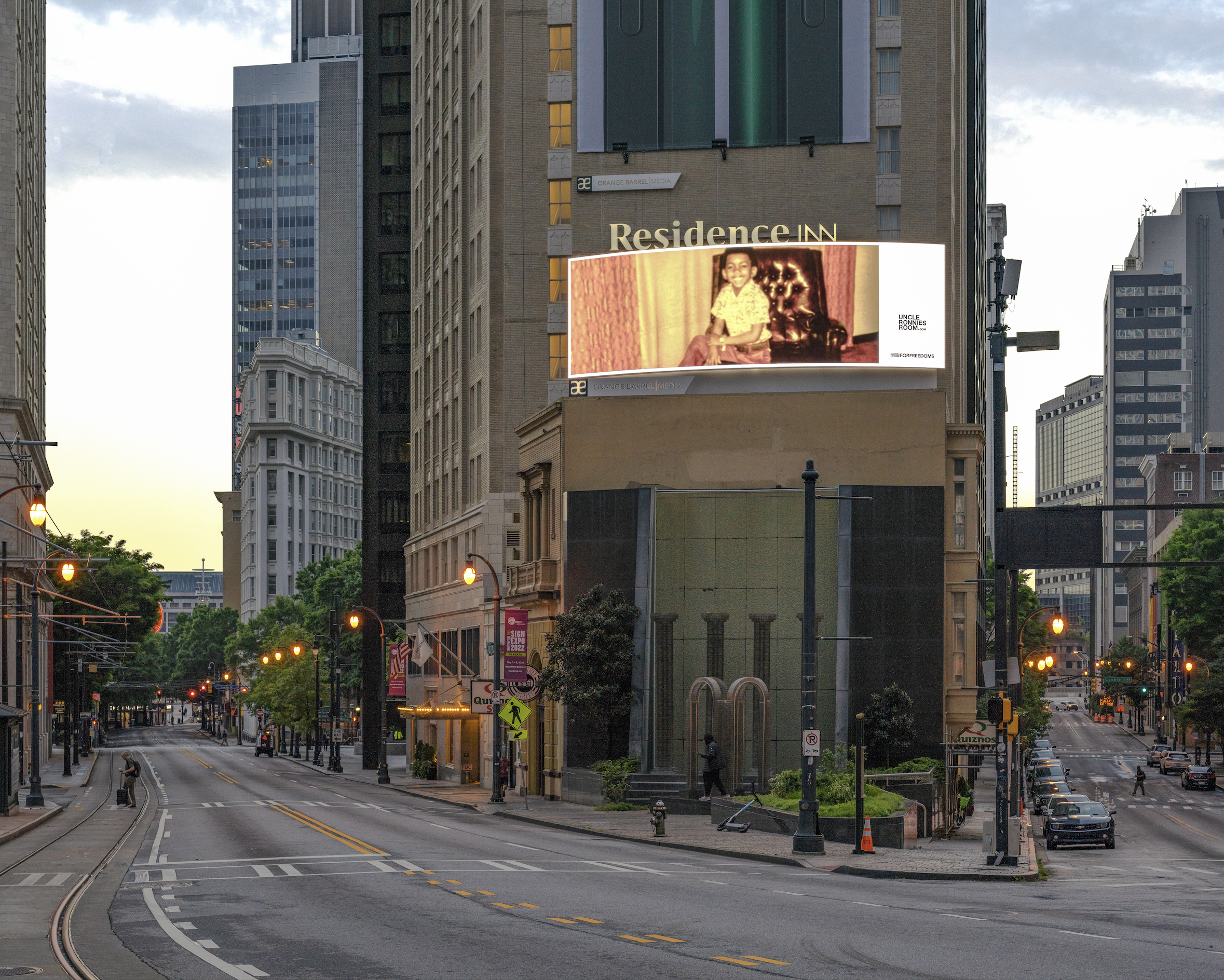
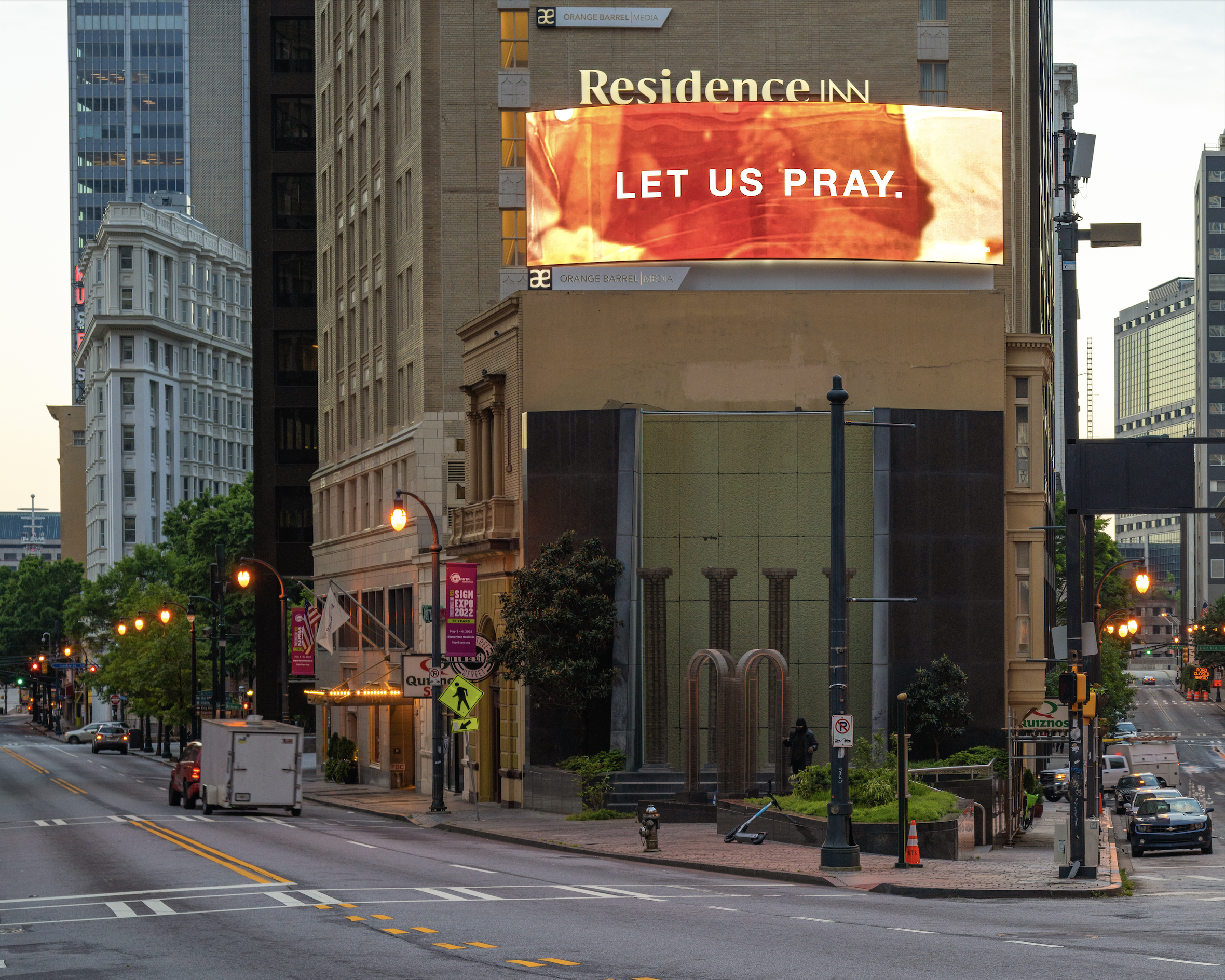
Uncle Ronnie’s Room is an art-driven campaign calling to mobilize the public around Ronald Coleman Jr., his family, and the wrongful conviction that has separated them. The first iteration of URR spanned across state lines, including an art installation based in South Central, CA., a billboard campaign in Atlanta, GA., and writing circles garnering prayers and formal letters to Augusta County DA calling for the reinvestigation of Ronnie’s case.
Past collaborators and advisors include Youth Justice Coalition, Patrisse Cullors, Converse All Stars, For Freedoms, and UCLA’s Prison Education Project.